
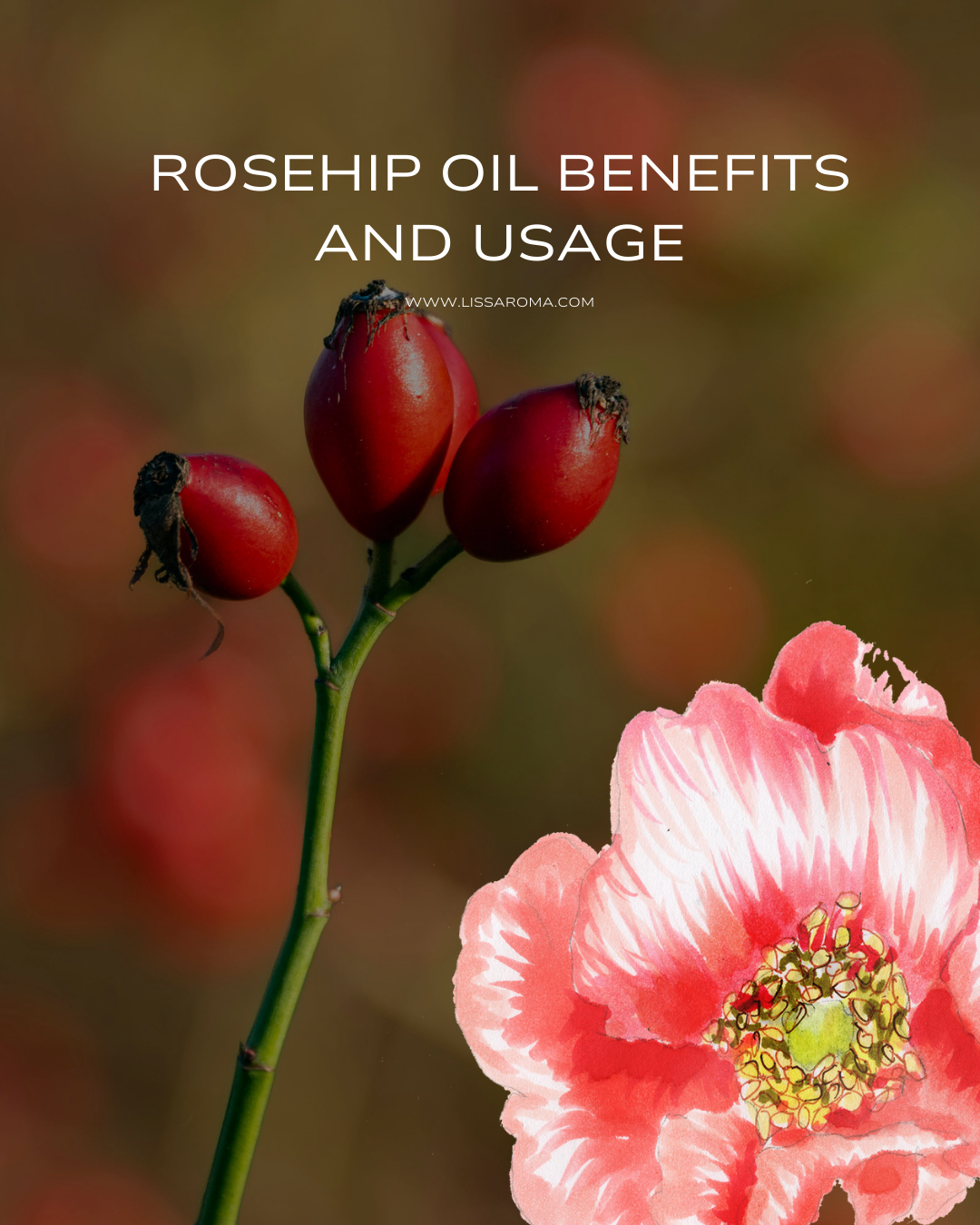
Rosehip Oil 玫瑰果油: Benefits, Usage Guide
Introduction
Rosehip oil has become increasingly popular in recent years due to its remarkable benefits for skin health and overall wellness. Extracted from the seeds of the wildrose, it boasts an array of vitamins, antioxidants, and fatty acids. This article delves into the history, benefits, cultivation, extraction, and practical usage of rosehip oil, creating a comprehensive resource for anyone interested in this beneficial oil.
History of Rosehip Oil 玫瑰果油
The use of rosehip oil dates back centuries, tracing its origins to ancient civilizations such as the Egyptians, Mayans, and Native Americans. These cultures recognized the oil’s healing properties, utilizing it for skin care and as a remedy for various ailments.
In the 1980s, the oil gained attention in modern medicine when Chilean scientists found that it could significantly improve post-surgical scars and signs of aging. Since then, rosehip oil has established itself as a staple in dermatology and cosmetic skincare.
Benefits & Composition
Benefits
1. Anti-Aging Properties: Rosehip oil is rich in Vitamin A and C, which promote skin cell regeneration and help reduce the appearance of fine lines and wrinkles.
2. Scar Reduction: Studies suggest that rosehip oil can lighten hyperpigmentation and reduce the appearance of scars and stretch marks.
3. Moisturizing: Rich in essential fatty acids, rosehip oil penetrates deeply into the skin, providing intense hydration and improving skin texture.
4. Anti-Inflammatory: The antioxidants in rosehip oil, including polyphenols and anthocyanin, help reduce inflammation and protect skin against sun damage.
5. Brightening: The high Vitamin C content helps to brighten the skin and even out skin tone.
6. Boosts Collagen Production: Vitamin A helps stimulate collagen synthesis, which can improve skin elasticity.
7. Hair Benefits: Rosehip oil can also nourish the scalp and hair, reducing dryness when used with jojoba oil.
Composition
Rosehip oil is packed with a variety of beneficial components:
– Linoleic Acid (Omega-6): Approximately 44-50% – promotes skin hydration and barrier function.
– Alpha-Linolenic Acid (Omega-3): Approximately 30-35% – helps reduce inflammation.
– Oleic Acid (Omega-9): Approximately 14-20% – supports skin moisturization.
– Vitamin A (Retinoids): Essential for skin cell regeneration.
– Vitamin C: Brightens skin and boosts collagen production.
– Vitamin E: Also found in Vitamin E oil, it provides powerful antioxidant protection.
Cultivation & Extraction
Cultivation
Rosehip oil is derived from the seeds of wild rose plants, primarily Rosa canina (dog rose) and Rosa rubiginosa. The major producers of rosehip oil are Chile, which benefits from the ideal climate and soil conditions in the Andes region. Harvesting typically takes place in autumn when the rosehips are fully ripe.
Extraction Method
Two primary methods are used to extract rosehip oil:
1. Cold Pressing: This mechanical process extracts oil at low temperatures, preserving the integrity of the nutrients. This method is preferred for high-quality rosehip oil as it retains essential vitamins and fatty acids.
2. Solvent Extraction: Chemical solvents like hexane are used to extract oil, which is less expensive but may compromise the quality of the oil. Cold-pressed rosehip oil is generally recommended for skincare use.
Guide to Use
Skincare Application
– As a Serum: Apply 3-4 drops to your face after cleansing, massaging it in gently using upward strokes. It can be layered under your moisturizer.
– Moisturizer Mix: Mix a few drops into your regular moisturizer to enhance its hydrating and anti-aging properties. Combine with grapeseed oil for added antioxidant benefits.
– Scar Treatment: Apply directly to scars or stretch marks twice daily for optimal results.
– Around the Eyes: Use a small amount around the eyes at night to reduce dark circles and puffiness.
Hair Care
Apply a small amount to hair ends or use as a scalp treatment. Mix with sweet almond oil for a nourishing hair mask to promote shine and reduce breakage.
Additional Resources
For more information, you might refer to sources like:
– WebMD
– Healthline’s Guide to Rosehip Oil Benefits
– PubMed Central for Research Studies
Contraindications
While rosehip oil is generally safe for most skin types, there are a few considerations:
– Allergic Reactions: Conduct a patch test before extensive use, especially for individuals with sensitive skin or known allergies.
– Oily or Acne-Prone Skin: While rosehip oil is non-comedogenic for most people, individuals with particularly oily skin should be cautious as it may contribute to breakouts.
– Pregnancy: Due to the presence of Vitamin A, pregnant women should consult a healthcare professional before using rosehip oil extensively.
Conclusion
Rosehip oil 玫瑰果油 offers a broad spectrum of skincare benefits, making it a highly regarded oil in both traditional and modern applications. Its unique combination of vitamins, antioxidants, and fatty acids positions it as an exceptional choice for anti-aging, moisturizing, and overall skin health. Consider incorporating it into your skincare regimen alongside other beneficial carrier oils such as jojoba oil or grapeseed oil for a comprehensive skin care routine.


