NAHA Friend – Aromatherapy Introduction (English)
Categories: Aromatherapy
Wishlist Share

About Course

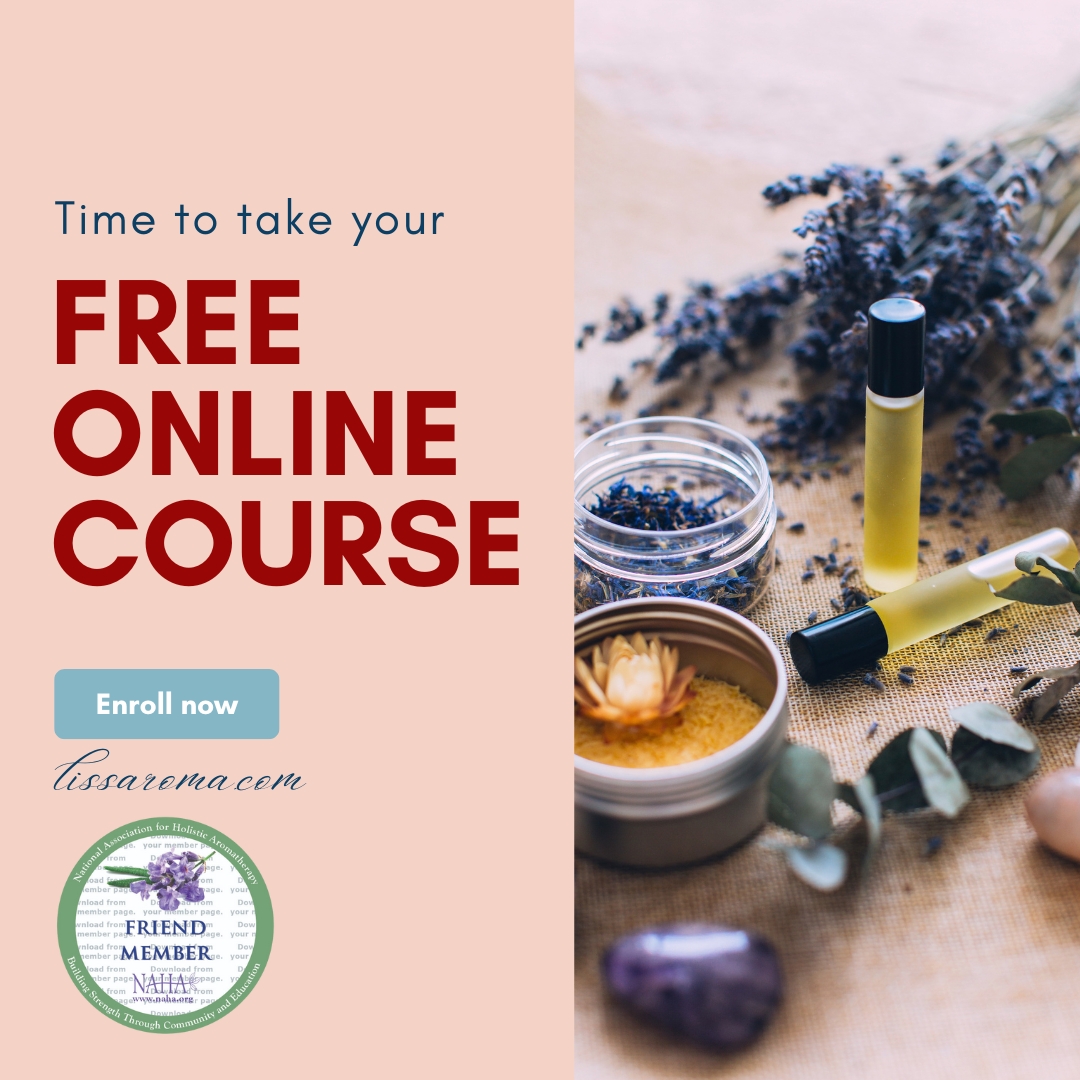
After finished our NAHA Friends – Aromatherapy Introduction Course, you will be NAHA Friend member!

Embark on an aromatic journey and discover the healing power of essential oils with our concise yet comprehensive Aromatherapy Introduction Course. Perfect for beginners and enthusiasts, this course provides a solid foundation in the art and science of aromatherapy.

Course Overview:

This 4-hour online course offers a perfect blend of theoretical knowledge and practical applications, introducing you to the therapeutic benefits of essential oils and their safe use in everyday life.

What You’ll Learn:

  • History and evolution of aromatherapy
  • Profiles and properties of 10 essential oils
  • Introduction to 4 carrier oils and their uses
  • Fundamentals of essential oil chemistry and safety
  • Physiological and psychological effects of essential oils
  • Application methods (inhalation, diffusion, and topical use)
  • Creating simple blends for common ailments
  • Ethical considerations in aromatherapy practice

Course Features:

  • Self-paced online learning through Tutor LMS
  • Engaging video lectures and demonstrations
  • Interactive quizzes to reinforce learning
  • Practical assignments to apply your knowledge
  • Downloadable resources and study materials
  • 3-month access to course content

Who Should Take This Course:

  • Individuals interested in natural health and wellness
  • Those looking to incorporate aromatherapy into daily life
  • Anyone curious about the science behind essential oils

Upon completion, you’ll receive a certificate of attendance, recognizing your introduction to the world of aromatherapy. This course serves as an excellent starting point for those wanting to use essential oils safely and effectively at home or considering further education in aromatherapy.


Show More

What Will You Learn?

  • Understanding of Essential Oils: Learn what essential oils are, their historical usage, and extraction processes.
  • Safety and Quality: Understand the importance of purity, adulteration, and safe storage of essential oils. Top, Middle, and Base Notes: Learn about the different notes in essential oils and their uses in blending.
  • Carrier Oils: Understand the role of carrier oils in massage and blending.
  • Benefits and Contraindications: Identify the known benefits and contraindications of various essential oils.
  • Practical Applications: Gain hands-on experience with blending, massage, and making herbal creams using essential oils.
  • Specific Essential Oils: In-depth knowledge of specific essential oils such as lavender, chamomile, and others.
  • Blending Techniques: Master the principles of blending essential oils for various therapeutic purposes.
  • Making Herbal Products: Learn how to make herbal creams and other products using essential oils.

Course Content

Introduction to Aromatherapy
This section provides an overview of aromatherapy, defining what it is and exploring its historical roots. Students will learn about the basic principles that guide the practice, including the connection between scent and well-being.

Understanding Essential Oils
In this topic, students will discover what essential oils are, how they are extracted from plants, and the different methods used in their production. The importance of quality and safety in essential oil use will also be emphasized, including how to choose high-quality oils.

5 Essential Oils in Focus
This section dives into the profiles and properties of 10 essential oils, providing insights into their unique benefits and applications.

Carrier Oils: The Perfect Partners
This topic introduces carrier oils, which are essential for safely applying essential oils to the skin. Students will learn about four popular carrier oils, their properties, benefits, and how they complement essential oils in various applications

Essential Oil Safety
Safety is paramount in aromatherapy practice. This section covers safe dilution rates for topical application, potential contraindications for specific populations (such as pregnant women or children), and best practices for storing and handling essential oils to maintain their efficacy.

Application Methods
Students will explore various methods of applying essential oils, including inhalation techniques (such as using diffusers or steam inhalation), topical applications (using carrier oils), and diffusion methods for creating a pleasant aromatic environment.

Blending Basics
This topic introduces the art of blending essential oils to create synergistic effects. Students will learn the principles of blending, including how to combine different scents effectively, and will have the opportunity to create simple blends for common issues like stress relief or improved focus.

Aromatherapy for Everyday Wellness
This section focuses on practical applications of aromatherapy in daily life. Students will learn how to use essential oils for stress relief, enhance sleep quality, boost mood, and increase energy levels through specific oil combinations.

Ethical Considerations and Best Practices
Ethical practices in aromatherapy are crucial for sustainability and respect towards plant sources. This topic discusses the importance of sourcing essential oils responsibly, understanding the impact on ecosystems, and ensuring fair trade practices.

Conclusion and Next Steps
In the final section, students will recap key learnings from the course and explore resources for further study in aromatherapy. This includes suggestions for advanced courses, books, websites, and communities where they can continue their education.

Student Ratings & Reviews

No Review Yet
No Review Yet